

Psa-V Kiwifruit Research
Historical Innovation & Supporting Research
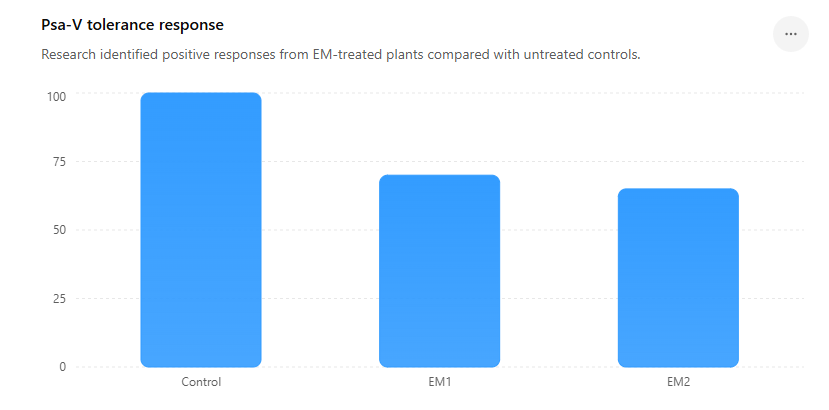
Researchers investigated how soil biology, nutrition and microbial systems influence kiwifruit susceptibility to Psa-V. The study found that biologically active soils reduced disease incidence compared with sterilised soils, highlighting the important role of soil microbiology in plant resilience. Effective Microorganisms (EM) also showed positive responses, with researchers recommending further investigation into EM-based approaches for supporting kiwifruit health and disease tolerance.
Key Findings
- Biologically active soils reduced Psa-V incidence
- EM treatments showed positive cultivar-specific responses
- Soil biology was identified as a key factor influencing plant resilience
- Researchers recommended further investigation of EM systems
Why It Matters
This research helped build understanding of how soil biology and microbial systems can contribute to plant health and disease resilience in horticultural crops.
For the Historical Innovation page, this is plenty. Save the detailed graphs and technical discussion for the dedicated Soil Biology & Disease Resilience page.
Powdery Trial
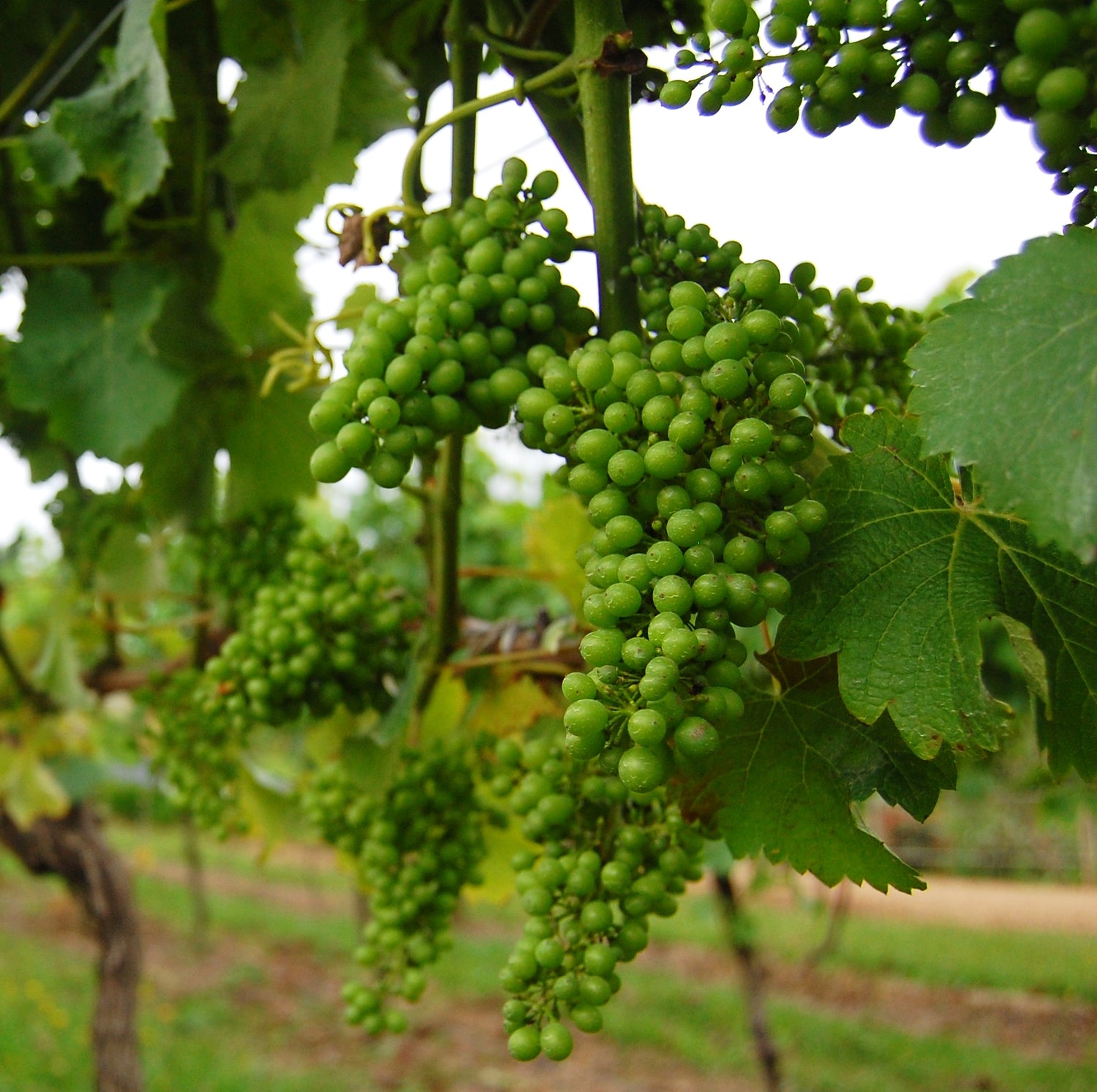
A split block trial last season, with EM in conjunction with a sulphur/copper and synthetic fungicides, gave a very positive result in terms of suppression of PM and enhanced vine health.
Powdery Mildew Field Comparisons Marlborough 2015-2016
Question: Can EM added to a Cu/Sulphur spray programme improve the control of PM
- Trial : A block of Chardonnay with a history of high incidence of PM was chosen (Stokesay Vineyard-Springlands, contracted to Delegats)
- The spraying programme was administered by Paul Taylor and was a standard Delegats Spray program which included Cu, S and DMI’s
- The Block was split in half (45 rows in each half). One half received the standard programme and the other received in addition to the standard programme, EM at 2%. (Oct-Feb)
Results: Paul Taylor, Mike Daly and Aaron Carter (Tasman Crop), walked the block 23rd Feb 2016, and observed the following:
- Significantly improved vigor, leaf and vine health on the EM block
- Low incidence of PM on the EM block
- High incidence of PM on the Control block
Conclusion: This was an unreplicated trial therefore needs more detailed trial work to validate. However this result has given us confidence to promote this as a viable option for spraying programs targeting PM. A fully replicated trial is planned for the coming season, to further validate this result.
Overseas Trials
Powdery Mildew
In this overseas trial which looked at the Control of Vine Powdery Mildew by the use of EM Preparations. The results showed that EM preparations were highly effective against powdery mildew under medium level of infection in the field conditions, and seem to increase wine quality and some sensory characteristic. Read the full report here
In another Trial on Strawberries, EM effectively limited the occurrence of strawberry red-leaf spot (Diplocarpon earliana) and white-leaf spot (Mycosphaerella fragariae) and to a lesser extent – the powdery mildew on the fruits (Botrytis cinerea). Read the full report here
Downey Mildew
In another trial on Recent Approaches for Controlling Downy Mildew of Cucumber under Greenhouse Conditions conducted at the Plant Pathology Research Institute, Agricultural Research Centre, Giza, Egypt, it was found EM1 showed significant reduction in the severity of downy mildew in cucumber plants. Read the full trial report here
Phytopathogenic Sclerotinia Sclerotiorum
In this trial conducted in Brazil soils treated with EM were found to be suppressive to the soil-borne plant pathogenic fungus, Sclerotinia sclerotiorum. EM also improved certain soil physical properties including a decrease in hardpan density, increased soil aggregation and improved drainage. All of these benefits were obtained in half the time compared with organic biodynamic agriculture or minimum tillage. Read the full report here.
View our other Trials
-

Independent Trials
View TrialsIndependently managed, harvested or analysed New Zealand field trials demonstrating the commercial performance of EMNZ biological technologies under real farming conditions.
-

EMNZ Replicated Field Trials
View TrialReplicated commercial field trials conducted by EMNZ to evaluate biological performance across a range of New Zealand arable, forage, horticultural and pastoral systems.
-

Historical Innovation Trials
View TrialsFoundational research and development trials that helped shape the modern EMNZ product range and our understanding of biological farming systems.
-

International Research Support
View TrialsPeer-reviewed international research supporting the role of Effective Microorganisms (EM) in soil biology, nutrient cycling, plant performance and crop resilience.


