


Recent hailstorms across Canterbury have left growers assessing damage to a range of crops, including cereals, fodder beet kale, swedes and forage rape.
With valuable growing conditions still ahead, attention is now turning to how best to support crop recovery and minimise potential yield losses.
How Does Hail Affect Crop Growth?

Hail can cause significant physical damage to crops, stripping leaves, bruising stems and reducing the green leaf area available for photosynthesis.
For crops such as fodder beet and winter feed brassicas, maintaining a healthy canopy is particularly important for capturing sunlight and supporting ongoing growth and yield development.
Following hail damage, surviving plants must redirect resources towards producing new leaves and restoring growth. The extent of recovery depends on factors including crop maturity, damage severity, growing conditions and the health of remaining plant tissue.
Where Can Plant Biostimulants Help?
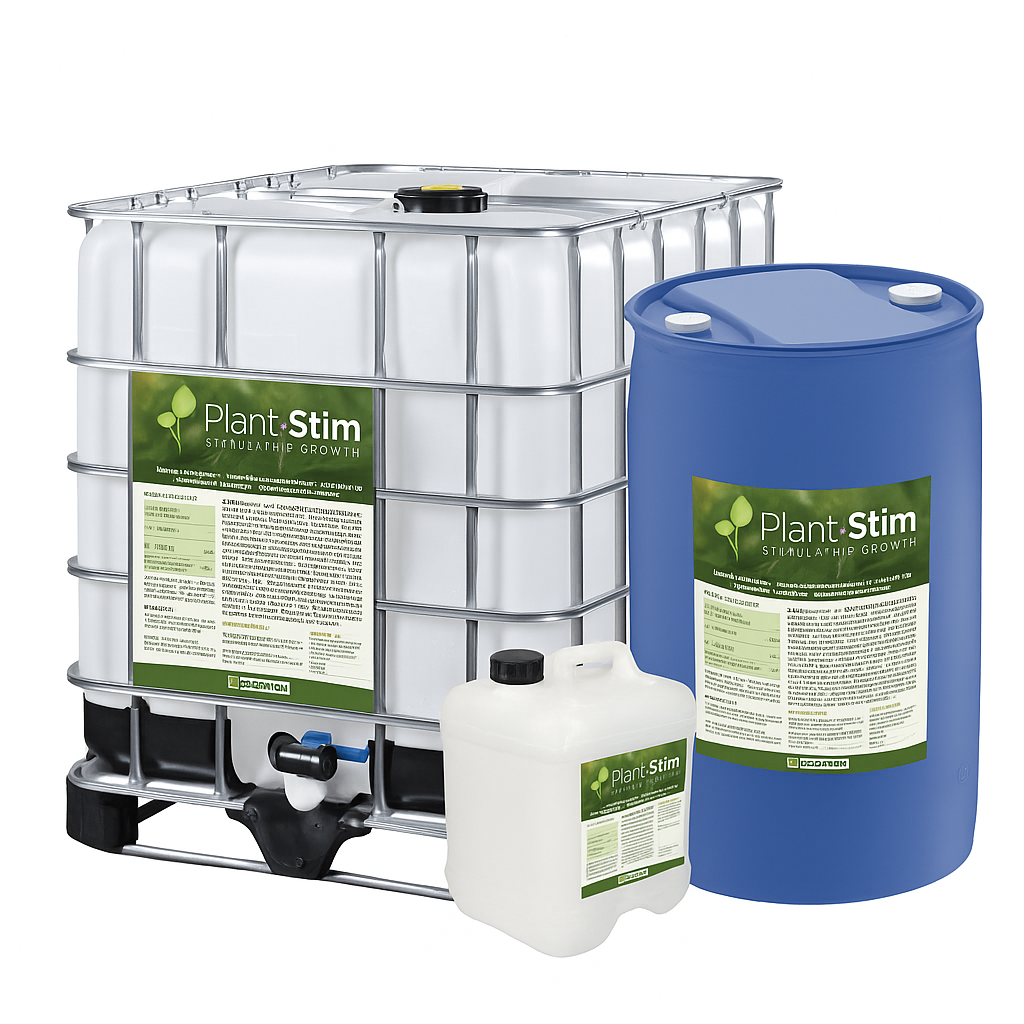
Plant biostimulants are increasingly being investigated for their potential to support plant growth and responses to environmental stress.
Plant-Stim is a biological plant biostimulant developed to support plant growth, root development and overall crop performance.
Across our field research programmes, Plant-Stim has demonstrated encouraging results in a range of agricultural systems, including:
-
Fodder Beet: A statistically significant yield increase compared with the untreated control in our 2024 trial.
-
Maize: A 23% increase in dry matter yield in a Hawke's Bay trial using Plant-Stim alongside a reduced nitrogen programme, compared with the trial control.
-
Lucerne: A 57.6% increase in cumulative yield across multiple harvests in our 2025 replicated trial.
-
Pasture: Improvements in dry matter production and root development in independent field research, including a 23% increase in cumulative dry matter production across five harvests in the PastureFirst programme.
While these results demonstrate the potential of Plant-Stim and EMNZ biological programmes to improve crop performance, they were not obtained under hail-damaged conditions.
However, they provide a useful foundation for investigating Plant-Stim's potential role in supporting crop recovery following environmental stress.
Plant-Stim cannot repair physically damaged leaves or reverse severe crop injury. Its value lies in supporting subsequent growth where sufficient healthy plant tissue remains.
How Could Plant-Stim Support Recovery Following Hail Damage?
When a crop suffers hail damage, the impact extends beyond the visible tears and bruising of leaves. Physical injury can disrupt normal plant metabolism, reduce photosynthetic activity and trigger oxidative stress.
For surviving plants, recovery depends on their ability to restore physiological activity, develop new leaves and rebuild productive canopy area.
Plant-Stim is designed to support these important growth processes.
Research into naturally occurring plant growth compounds, including triacontanol and auxins, provides insight into how biological plant biostimulants may assist plants recovering from environmental stress.
Supporting Photosynthetic Activity
Triacontanol has been shown in published research to influence chlorophyll production, photosynthetic activity and plant growth.
Following hail damage, improving the photosynthetic performance of surviving green tissue could help plants generate the energy required for new growth.
Supporting Natural Regeneration
Auxins, including indole-3-acetic acid (IAA), play important roles in plant growth, cell expansion and the regulation of tissue regeneration following injury.
Compounds that influence these pathways may help support the development of new tissue as damaged crops recover.
Supporting the Plant's Stress Response
Physical injury can increase oxidative stress within plant tissues, potentially affecting the function of surviving cells.
Research indicates that triacontanol can influence antioxidant enzyme activity and other physiological responses associated with environmental stress tolerance.
These mechanisms offer a scientific rationale for using Plant-Stim as part of a post-hail recovery program.
Encouraging Observations from Wind-Damaged Spinach
EMNZ has previously observed encouraging responses to Plant-Stim in spinach affected by wind damage.
While wind and hail cause different patterns of physical injury, both can reduce healthy leaf area and disrupt normal crop growth.
These observations have encouraged us to investigate Plant-Stim's potential to support crop recovery following physical damage, including the recent Canterbury hail events.
The focus is not on reversing existing physical damage, but on helping surviving plants resume healthy growth and rebuild productive leaf area.
Talk to EMNZ
If your fodder beet, winter feed crops or cereals have been affected by hail and you're considering options to support recovery, we'd be happy to discuss your situation.
Contact EMNZ for advice on Plant-Stim application timing, rates and suitability for your crop.


